
Chronic Illness & Health
Breathing and Training the Pelvic Floor: What the Evidence Says
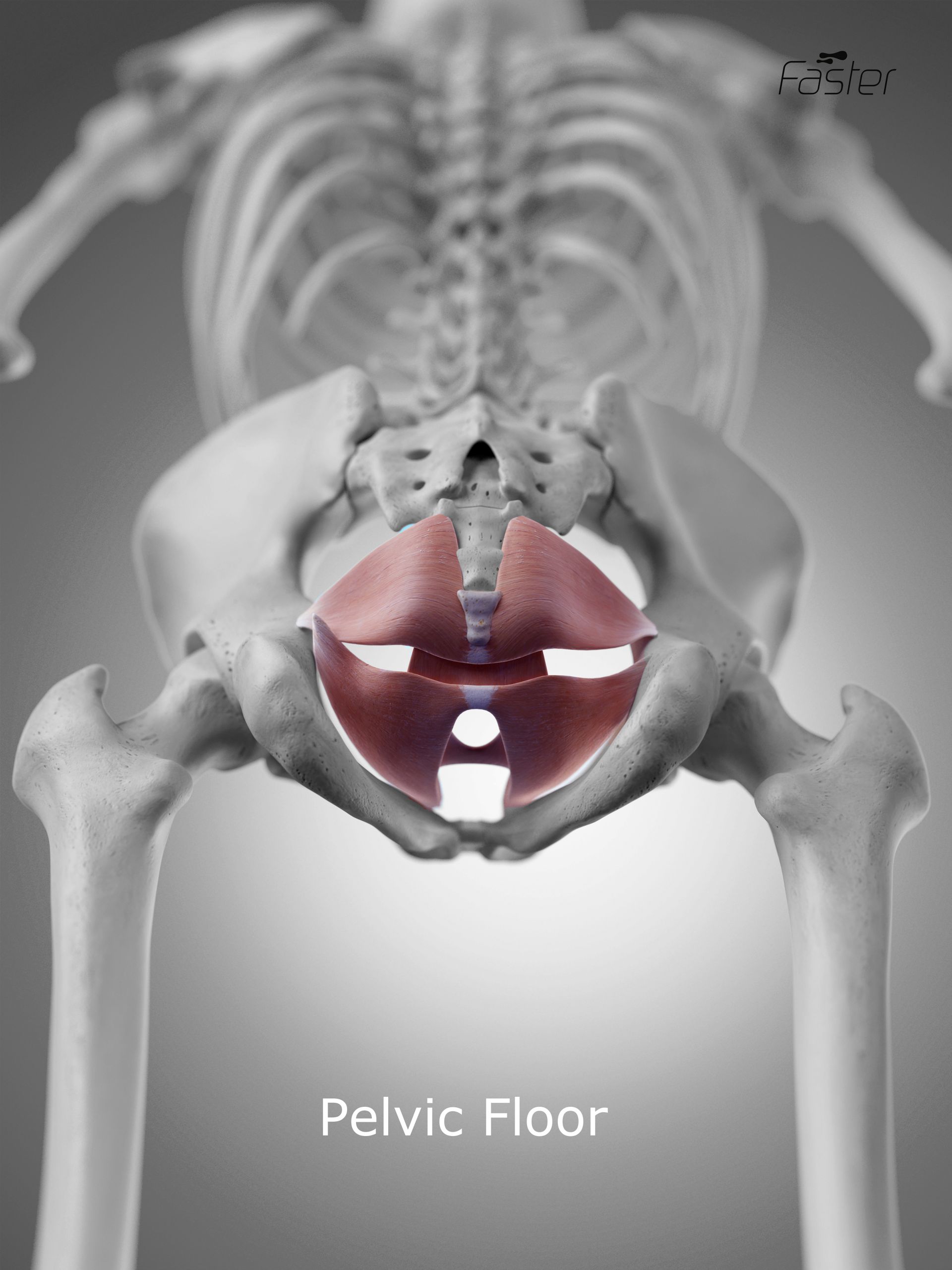
In short: Current evidence shows pelvic floor muscle training (PFMT) remains the gold standard for pelvic organ prolapse and stress urinary incontinence, while breathing exercises, hypopressives and Pilates show mixed results and no proven extra benefit when added to PFMT.
Adding breathing exercises to pelvic floor muscle training (PFMT) has become a topic of real interest among physiotherapists, fitness professionals and people affected by pelvic floor disorders (PFD). The appeal is obvious: enhancing PFMT with something as natural and accessible as breathing sounds ideal. This is a look at what the research and systematic reviews actually say — the potential, and the limits.
What we already know
- PFMT is highly recommended (grade A, level 1 evidence) for reducing pelvic organ prolapse (POP) and stress urinary incontinence (SUI) symptoms and severity.
- It works because it's built on how the body is structured, how it moves and established exercise science.
- Regular practice improves conditions over time.
- Some studies suggest other exercises might work as well as, or better than, PFMT for POP and SUI.
Meanwhile, social media often promotes alternatives — hypopressives and breathing exercises — and some posts even claim PFMT doesn't help with POP and SUI at all.
The three popular alternatives
Hypopressives. A series of postures and breathing techniques aimed at reducing pressure on the pelvic floor while activating the pelvic floor and abdominal muscles differently from conventional core work. Proponents claim it can help prevent and treat incontinence and prolapse without the strain of pressure-raising exercises.
Diaphragmatic breathing. Deep breathing into the diaphragm rather than the chest, said to relax and engage the pelvic floor, improve awareness and control, and reduce stress. It's often recommended as a starting point for beginners or as a complement to other methods.
Pilates. An approach emphasising core strength and stability — including the pelvic floor — through precise movement and specific breathing. Advocates argue it improves muscle tone, control and endurance across the whole core.
Evidence-based practice, or over-exaggerated hype?
Look closely at the research and a clear layer of uncertainty appears. These techniques are widely promoted, but the science behind them isn't uniformly convincing. Systematic reviews and randomised controlled trials (RCTs) return mixed outcomes — some report positive effects, others little to none compared with traditional PFMT.
That disparity comes down to differences in study design, participant characteristics, outcome measures and the subjective nature of some assessments. Methodological quality varies enormously, from strong RCTs to studies with serious limitations, which makes firm conclusions hard to draw. There's anecdotal and preliminary support, but not enough high-quality evidence to settle the question.
The specifics:
- Breathing exercises: limited evidence. Despite the theoretical link between respiration and pelvic floor activity, current RCTs and short-term studies provide little evidence that breathing significantly improves SUI or POP, or enhances pelvic floor muscle variables beyond PFMT.
- Hypopressives: ambiguous. Combining deep breathing with abdominal contractions, only a minority of studies report positive effects, and methodological limits prevent clear conclusions about breathing as a sole intervention.
- Comparison with PFMT. Research consistently shows PFMT, on its own, remains the most effective method for improving pelvic floor variables and managing PFDs. Adding breathing work shows no substantial extra benefit — and may divert time from proven practice.
- More research needed. The evidence base calls for more high-quality RCTs and anatomical studies to clarify whether breathing exercises can meaningfully contribute.
The balanced conclusion
Hypopressives, diaphragmatic breathing and Pilates sit between enthusiasm and scepticism. The reviews and trials paint a complex picture: some supportive findings, no consensus that tips things towards evidence-based practice.
For now, PFMT remains the gold standard, backed by a substantial body of evidence for treating and managing pelvic floor disorders. The alternatives may be beneficial as part of a broader approach to health, but they can't yet be called evidence-based practices in isolation.
So the enthusiasm — understandable as it is — currently leans towards over-exaggerated hype in the absence of stronger evidence. Guide your practice by what the research supports, stay open to new findings, and treat emerging techniques with cautious optimism rather than certainty.
Want to go deeper? Pelvic Floor & Core Specialist.
View the course →Frequently asked
Is PFMT effective for prolapse and incontinence?
Yes. Pelvic floor muscle training carries grade A, level 1 evidence for reducing pelvic organ prolapse (POP) and stress urinary incontinence (SUI) symptoms and severity.
Do breathing exercises improve the pelvic floor?
Current research offers limited evidence that breathing exercises significantly improve POP or SUI, or enhance pelvic floor muscle variables beyond the effects of PFMT alone.
What about hypopressives?
Hypopressives show mixed results — only a minority of studies report positive effects, and significant methodological limitations prevent firm conclusions.
Does adding breathing work to PFMT help?
Research doesn't show substantial extra benefit, and it may divert time and resources away from proven PFMT practice.
So should breathing and Pilates be ignored?
Not necessarily — they may have value within a broader approach to health, but they can't yet be called evidence-based practices in isolation for pelvic floor rehabilitation.