FTE
Most trainers stop learning the day they qualify. We have spent 20 years watching what happens to the ones who keep going
The short answer
Most trainers stop learning once they qualify, then repeat the same myths for a decade. The myths survive because they are rarely tested against evidence, and the industry has no reason to test them. Supramaximal eccentric training, still taught as a strength shortcut, was found no better than traditional loading in a 2018 meta-analysis (Research Quarterly for Exercise and Sport, Buskard et al., 2018). FTE is a year built to break that cycle: research skills, bias-checking, myth-busting and live practice, rebuilt every year. It is £3,600, or £600 deposit and 18 monthly payments of £200, plan total £4,200.
Key Takeaways
- Myths persist because nobody who profits from a course is paid to test it.
- Supramaximal eccentrics, sold as a strength shortcut, beat nothing in a 2018 meta-analysis.
- The skill nobody teaches trainers is communication. FTE trains it through improv and acting.
The guru is dead, the conveyor belt took over
Staying in this industry a while, the courses start to feel like the same ones going round on a belt.
The big fitness guru got killed by the internet, and good riddance to most of them. What replaced them is worse in a quieter way. Conveyor belt education companies, shifting as many courses as they can, each one a slight repackage of the last.
You feel it as CPD fatigue. Same five topics, new cover, another certificate for the wall. And underneath it, the myths you absorbed at Level 3 sit untouched, because nothing in the machine is built to challenge them.
Why the myths survive
Here is the mechanism, said plainly. A company selling you a course is not paid to find out the course is wrong.
So things get taught because they were taught. Take supramaximal eccentric training, lowering loads heavier than your one-rep max, still sold as a superior strength method. A 2018 meta-analysis found it no more effective than traditional resistance training for lower-body one-rep max, while carrying higher injury risk and worse soreness (Research Quarterly for Exercise and Sport, Buskard et al., 2018). Taught anyway.
Or movement tempo. A 2020 study found tempo significantly changes one-rep max bench results (Journal of Human Kinetics, Wilk et al., 2020), which means a trainer prescribing slow eccentrics without testing at that tempo is assigning the wrong load. A small myth, quietly costing results in real sessions.
And the pelvic floor gap turns up here too. A 2023 survey of 636 health and exercise professionals found widespread failure to screen exercising women for pelvic floor symptoms (Journal of Science and Medicine in Sport, Dakic et al., 2023). Not because trainers do not care. Because nobody trained them to.
What a year of not stopping looks like
I built FTE as the opposite of the belt. You pay once and keep coming back, and it is rebuilt every year, and it pushes hard against the industry it sits in.
It is not a social club, though the community is half the point. It is a year of actual work.
Learning how to research, and how to challenge your own bias, which is the hardest one. Working through every part of training a client. Busting the myths above and the ones we have not caught yet. Meeting live to sharpen the things you cannot learn from a PDF, observing movement and designing exercise in the room.
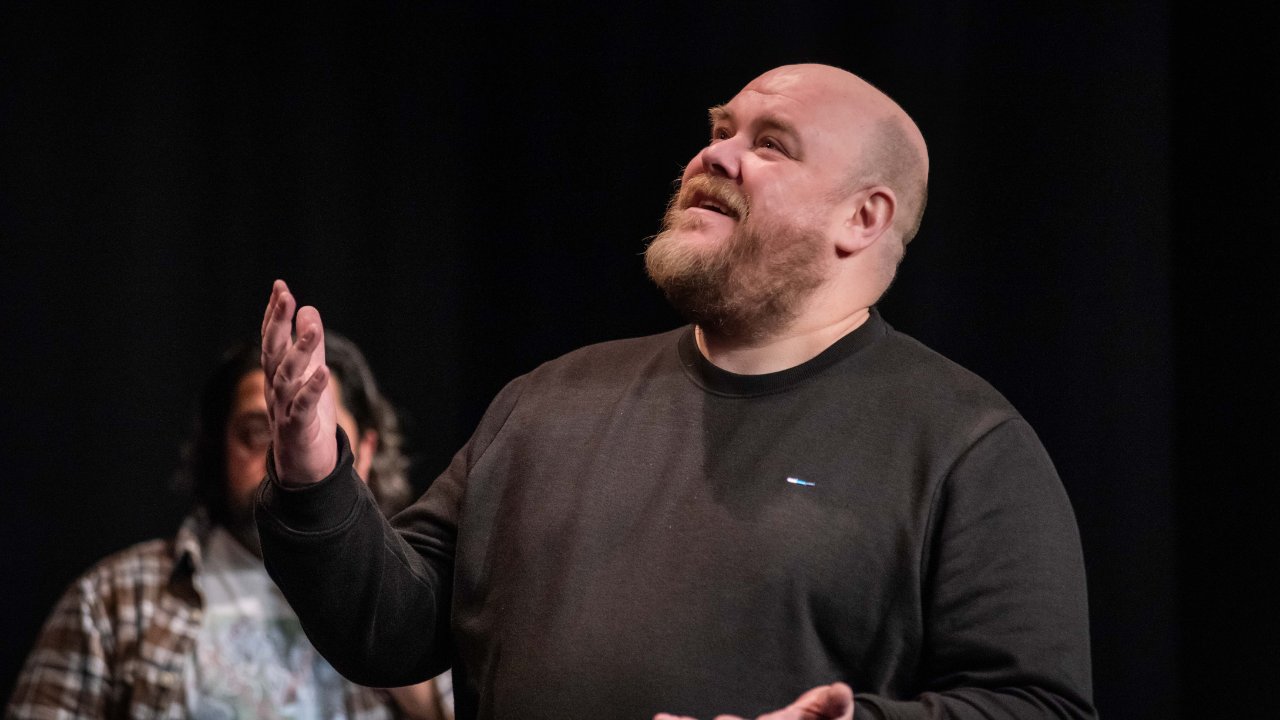
And the bit nobody teaches trainers at all. Communication, worked through improv and acting skills. Because the best-programmed session in the world dies if you cannot get the human in front of you to believe in it.

Who this is actually for
Not everyone. This is for the trainer who has noticed the belt and refuses to ride it for another decade.
If you have climbed the ladder and you want to stay at the front, questioning what you were handed rather than reheating it, this is the top. It is a yearly professional anchor, and most people who join come back the next year.
If you are not sure you are ready, ask, and I will tell you straight, including not yet.
Frequently asked questions
Why do fitness myths persist for so long?
Because the businesses teaching them are not paid to test them. Practices survive on repetition, not evidence. Supramaximal eccentric training is still sold as a strength shortcut despite a 2018 meta-analysis finding it no better than traditional loading (Research Quarterly for Exercise and Sport, Buskard et al., 2018).
Is continuing education worth it for an experienced trainer?
Yes, if it challenges what you believe rather than repeating it. Even settled basics move. A 2020 study found movement tempo significantly affects one-rep max results (Journal of Human Kinetics, Wilk et al., 2020), which changes how you load a client.
What makes FTE different from a normal CPD course?
It is a year, not a one-off, rebuilt annually, and you keep coming back for a single fee. It trains research and bias-checking, busts myths, runs live practical work, and teaches communication through improv, which standard CPD ignores.
What does FTE cost?
£3,600 paid in full, or £600 deposit and 18 monthly payments of £200, plan total £4,200. Completing an Expert-level course unlocks lifetime access to the PT Manager and register.
Start here
FTE is £3,600, or £600 deposit and 18 monthly payments of £200, plan total £4,200. It is the top of the FASTER ladder, a year of research, myth-busting and live practice, rebuilt every year.
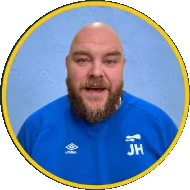
Not sure you are FTE-ready? Ask. John will tell you straight, including not yet. The founder answers the WhatsApp.
Sources
- Research Quarterly for Exercise and Sport, "Supramaximal eccentrics versus traditional loading in improving lower-body 1RM: A meta-analysis," Buskard et al., 2018, retrieved 2026-07-29, https://doi.org/10.1080/02701367.2018.1472365
- Journal of Human Kinetics, "The effects of the movement tempo on the one-repetition maximum bench press results," Wilk et al., 2020, retrieved 2026-07-29, https://doi.org/10.2478/hukin-2020-0001
- Journal of Science and Medicine in Sport, "Screening for pelvic floor symptoms in exercising women: A survey of 636 health and exercise professionals," Dakic et al., 2023, retrieved 2026-07-29, https://doi.org/10.1016/j.jsams.2023.01.008